URBAN LIVING ROOMS
A New Perspective on American Style
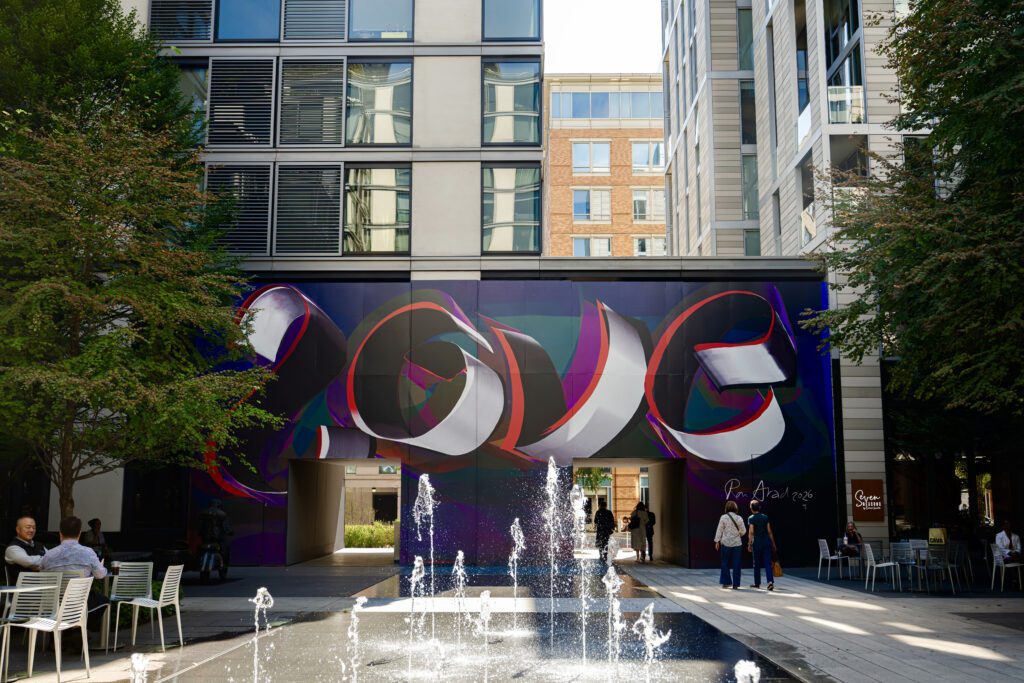
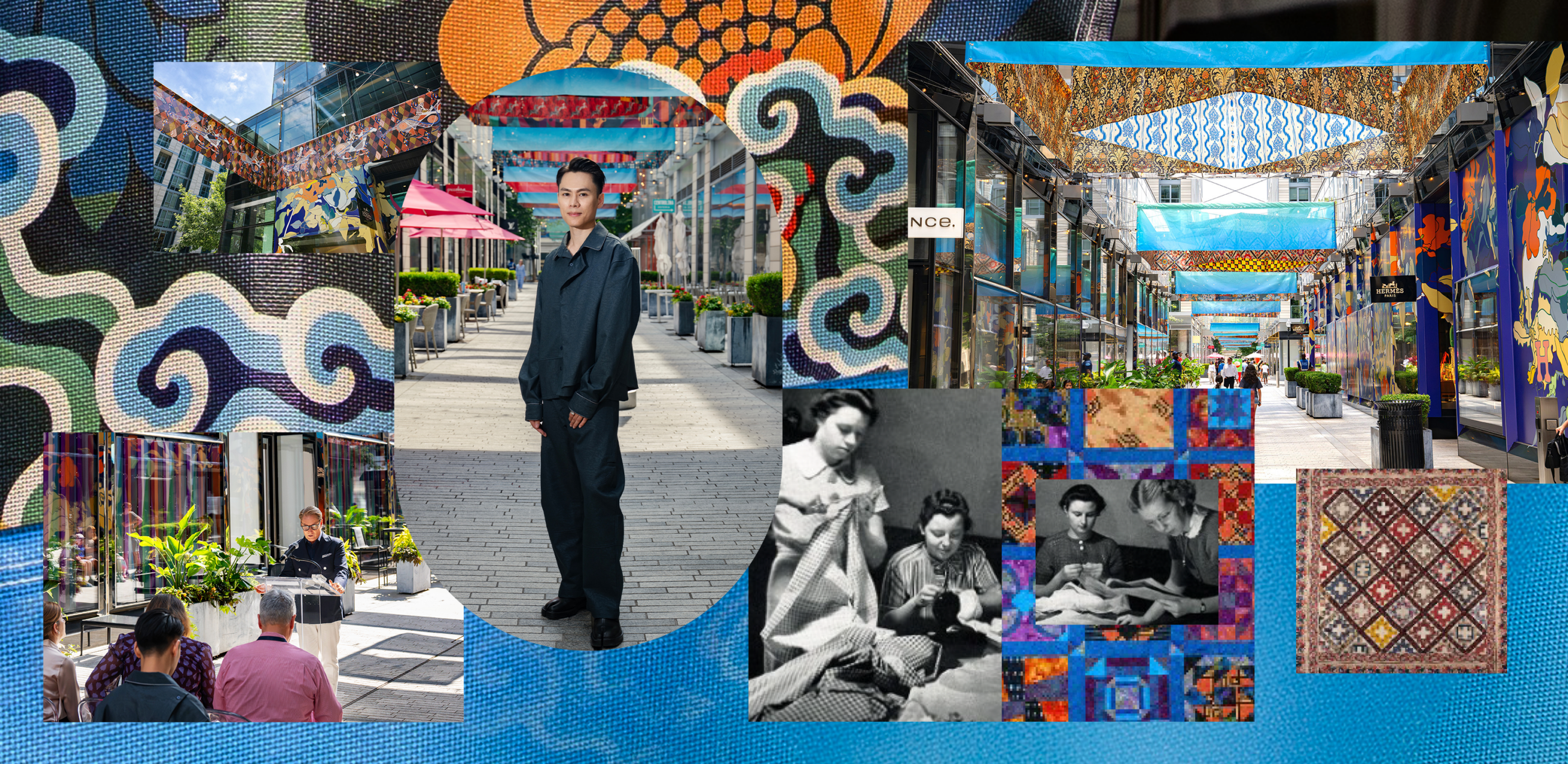
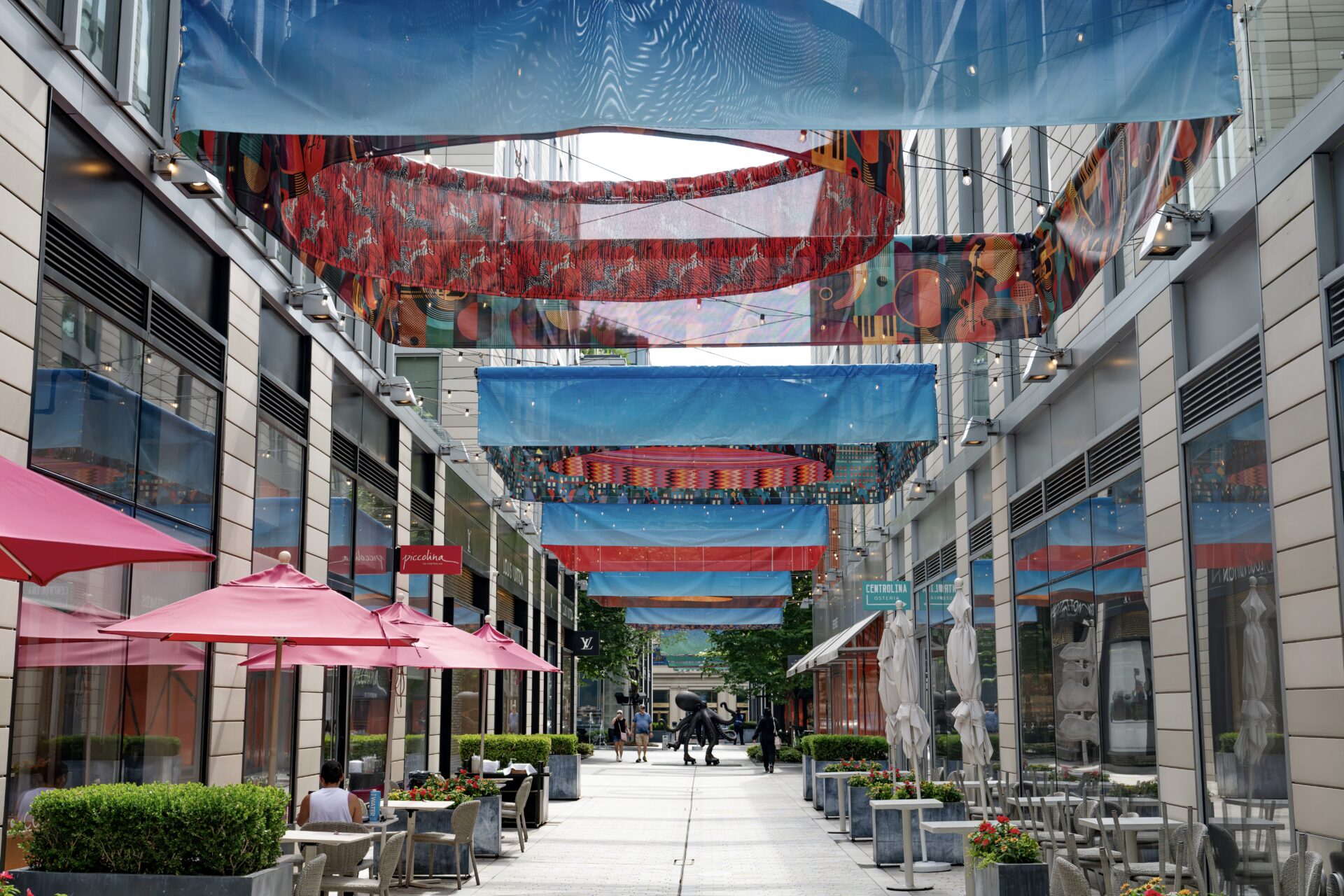
This summer, Palmer Alley transforms into an open-air gallery where architecture, culture, and community converge.
Suspended above one of Washington, D.C.’s most iconic pedestrian promenades, Urban Living Rooms invites visitors to experience American identity through seventeen immersive environments inspired by the traditions, craftsmanship, stories, and cultural influences that continue to shape the nation.
Selected from more than 125 submissions to CityCenterDC’s 250 Years of American Style competition, architect and artist Tung Nguyen’s winning installation reimagines the living room as a universal symbol of memory, belonging, and self-expression.
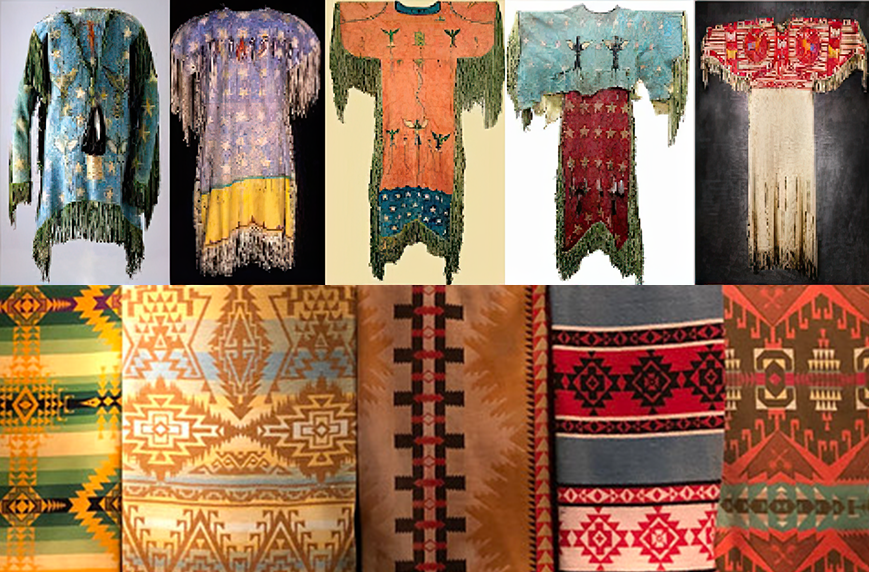
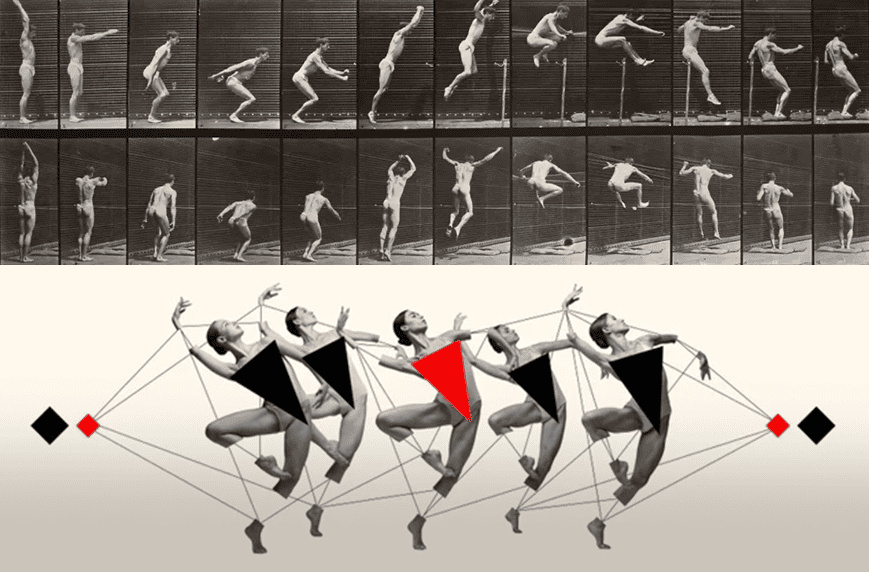
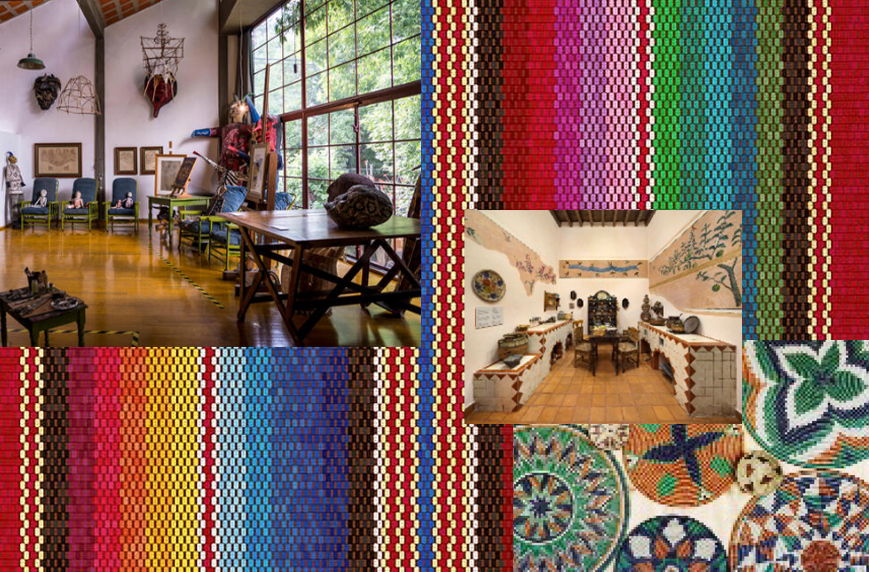
Viewed together, the suspended rooms form a single work of art. Beneath them, each reveals its own distinct visual language inspired by Indigenous traditions, immigration, music, design, architecture, and the diverse histories that have shaped American life. Together, they remind us that American style is not defined by one aesthetic, but by the coexistence of many perspectives.
Like CityCenterDC itself, Urban Living Rooms brings people together through design, inviting visitors to slow down, look up, and experience Palmer Alley from an entirely new point of view.
From LIVING ROOM
to LIVING MUSEUM
For Nguyen, the living room became the perfect metaphor for American identity.
It is where we welcome others, celebrate milestones, preserve traditions, and express ourselves through the objects, colors, and textures that make a house feel like home. No two living rooms are alike, just as no two American stories are the same.
Drawing from American history, architecture, art, and design, Nguyen created seventeen suspended environments, each reflecting a different cultural narrative. Rather than recreating historical interiors, each room interprets history through abstract patterns inspired by artistic movements, textiles, and traditions from across the country’s cultural landscape.
From a distance, the installation reads as one cohesive composition. As visitors move beneath it, individual rooms reveal new stories, inviting closer observation and personal interpretation.
Each room also features a QR code, allowing visitors to uncover the inspiration, symbolism, and historical references behind the artwork while exploring the installation at their own pace.
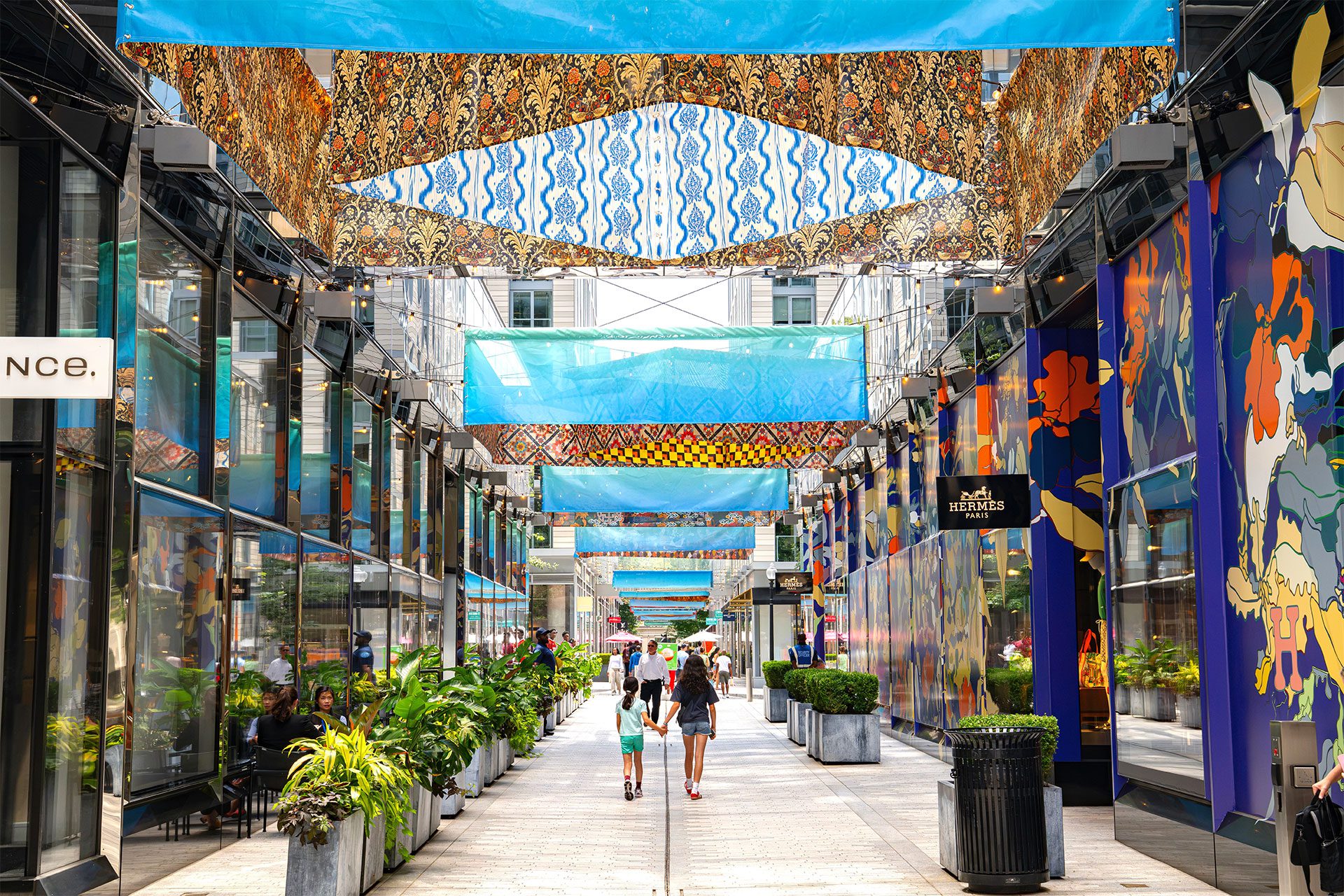
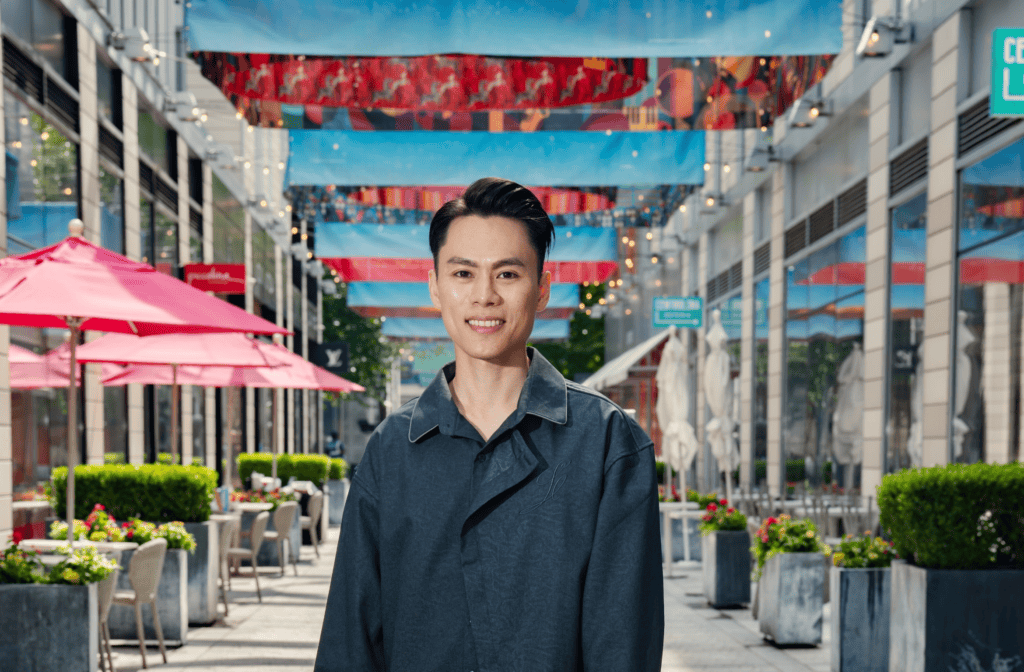
MEET THE ARTIST Tung Nguyen
“The many cultures and traditions people bring with them are what continue to shape America, and being able to express that through this installation means a great deal to me.”
— TUNG NGUYEN
Urban Living Rooms was selected from more than 125 submissions to CityCenterDC’s 250 Years of American Style competition. What inspired the idea behind the installation?
I first saw the competition on Instagram and immediately thought it was a wonderful opportunity to celebrate 250 years of American style. My work has always existed at the intersection of architecture and public art, and Palmer Alley felt like the perfect setting. Its architecture naturally allowed me to create something suspended above the public and offer a new perspective for everyone walking through the space.
What did it mean to you to have your work selected for installation in the heart of Washington, D.C.?
It was an incredible honor. Washington, D.C. is a city visited by people from across the United States and around the world, so having the opportunity to create a public artwork in such an important urban setting is incredibly meaningful. As a young artist, it was a rare opportunity to share my work on this scale.
As both an artist and an architect, how did you approach interpreting American identity through a public art installation?
My background as an architect has always focused on the relationship between domestic and public spaces. I wanted to bring the living room into the city because that’s where our culture, identity, and sense of belonging begin. By transforming that familiar space into a public experience, everyone can gather, reflect, and share in the celebration together.
As an immigrant yourself, what does it mean to tell this story through your work?
As a Vietnamese immigrant, this project is deeply personal. I believe our differences are not what divide us—they’re what enrich us. The many cultures and traditions people bring with them are what continue to shape America, and being able to express that through this installation means a great deal to me.
Why did the living room become the central metaphor for this project?
When I first began the project, I asked friends a simple question: What does American style mean to you? Every answer was different, and that reinforced my belief that every American, whether born here or arriving from somewhere else, is both an artist and a curator of their own home.
The living room is where we invite people in. It’s where we gather, celebrate, create memories, and express who we are. It became the perfect symbol for this installation.
Public art reaches people in ways museums sometimes cannot. Was creating an open-air museum experience always part of your vision?
Absolutely. One of the greatest strengths of public art is accessibility. Not everyone visits museums, but everyone can encounter art in their daily lives. You can simply be walking through Palmer Alley, meeting friends for lunch, or shopping nearby, and suddenly discover something unexpected. That was always part of the vision.
Can you walk us through your creative process?
Everything began with the living room itself. I spent time researching American history, architecture, interior design, and artistic movements from the past 250 years. As the research evolved, I realized patterns are much more than decoration—they carry memory, tradition, and identity. That became the foundation for each of the seventeen rooms.
Each room features its own visual language. How did those patterns come to life?
I developed the patterns with my assistant after researching different artistic movements and cultural traditions. Rather than reproducing history literally, we transformed those references into abstract compositions that invite visitors to discover their own meanings and connections.
What was the most rewarding—and perhaps the most challenging—part of bringing Urban Living Rooms to life?
The most rewarding part has been watching people interact with the installation. Public art only truly comes alive when people engage with it. Seeing visitors stop, ask questions, and discover stories that resonate with them has been incredibly meaningful.
The biggest challenge was coordinating such a complex project with so many collaborators, but that collaboration ultimately became one of the most rewarding parts of the experience.
What conversations do you hope visitors leave with after experiencing Urban Living Rooms?
I hope people continue talking about the different rooms, the patterns, and the cultures represented throughout the installation. More importantly, I hope they leave curious—not only about their own identity, but also about the many stories that together shape the American experience.